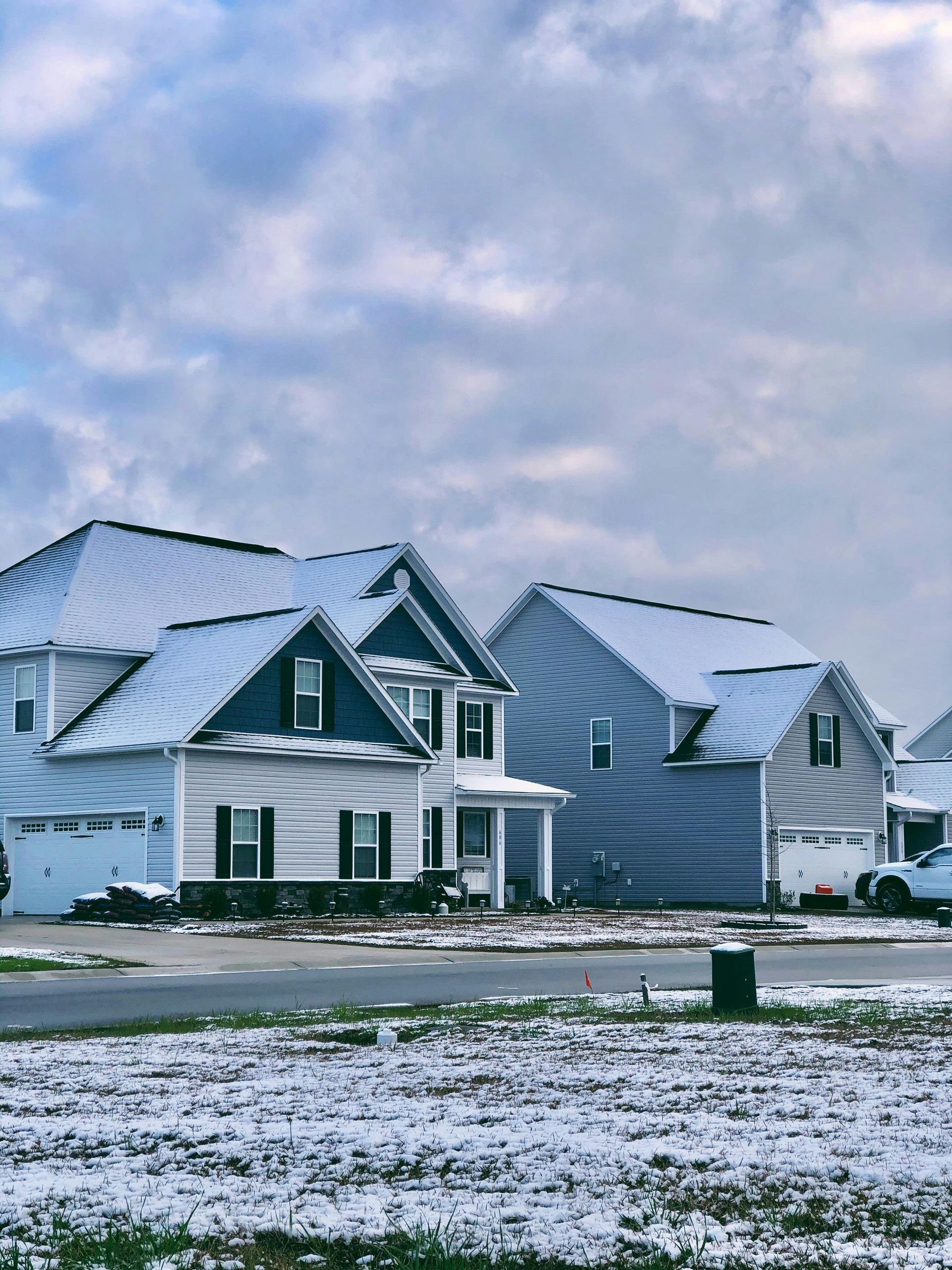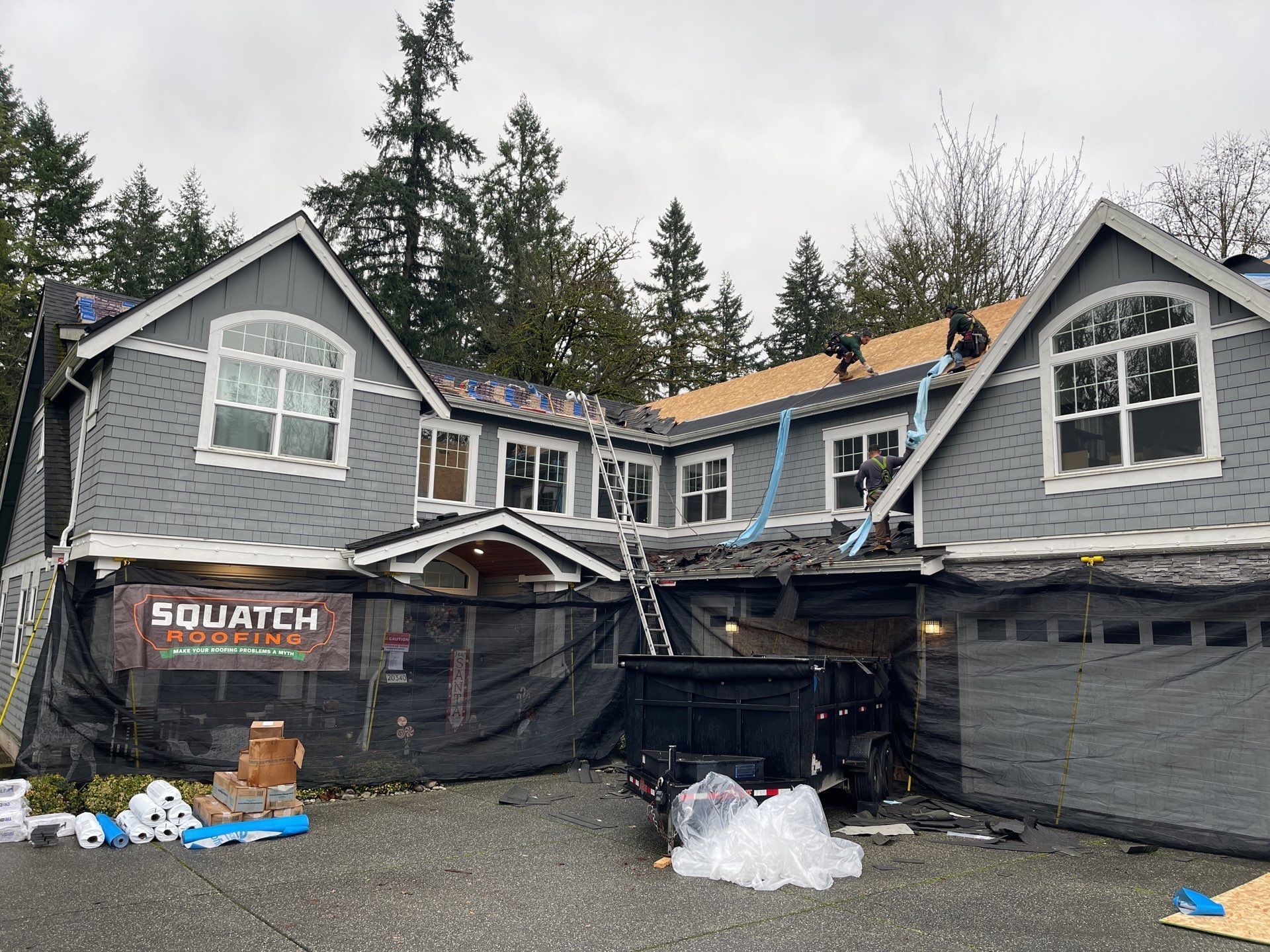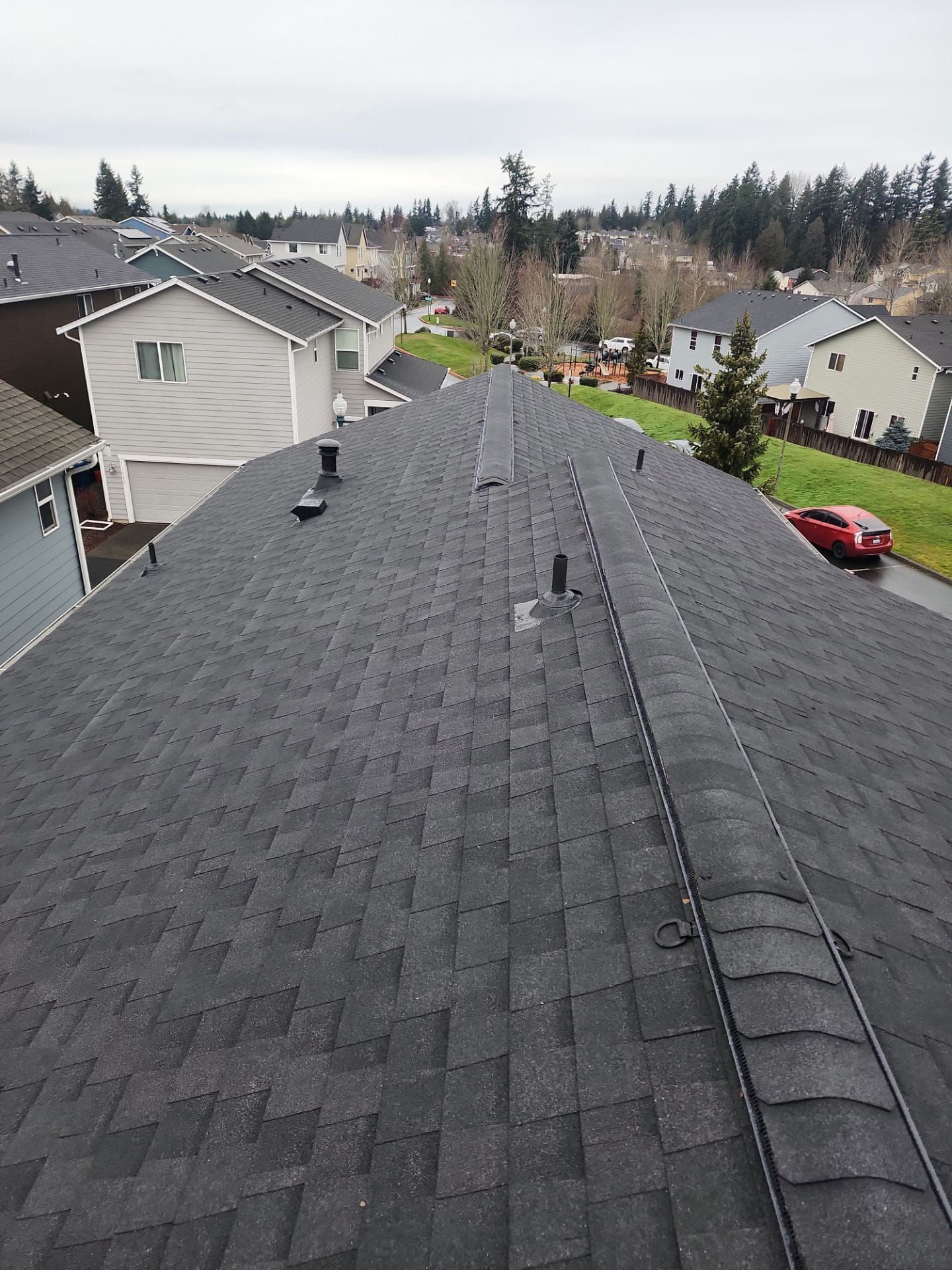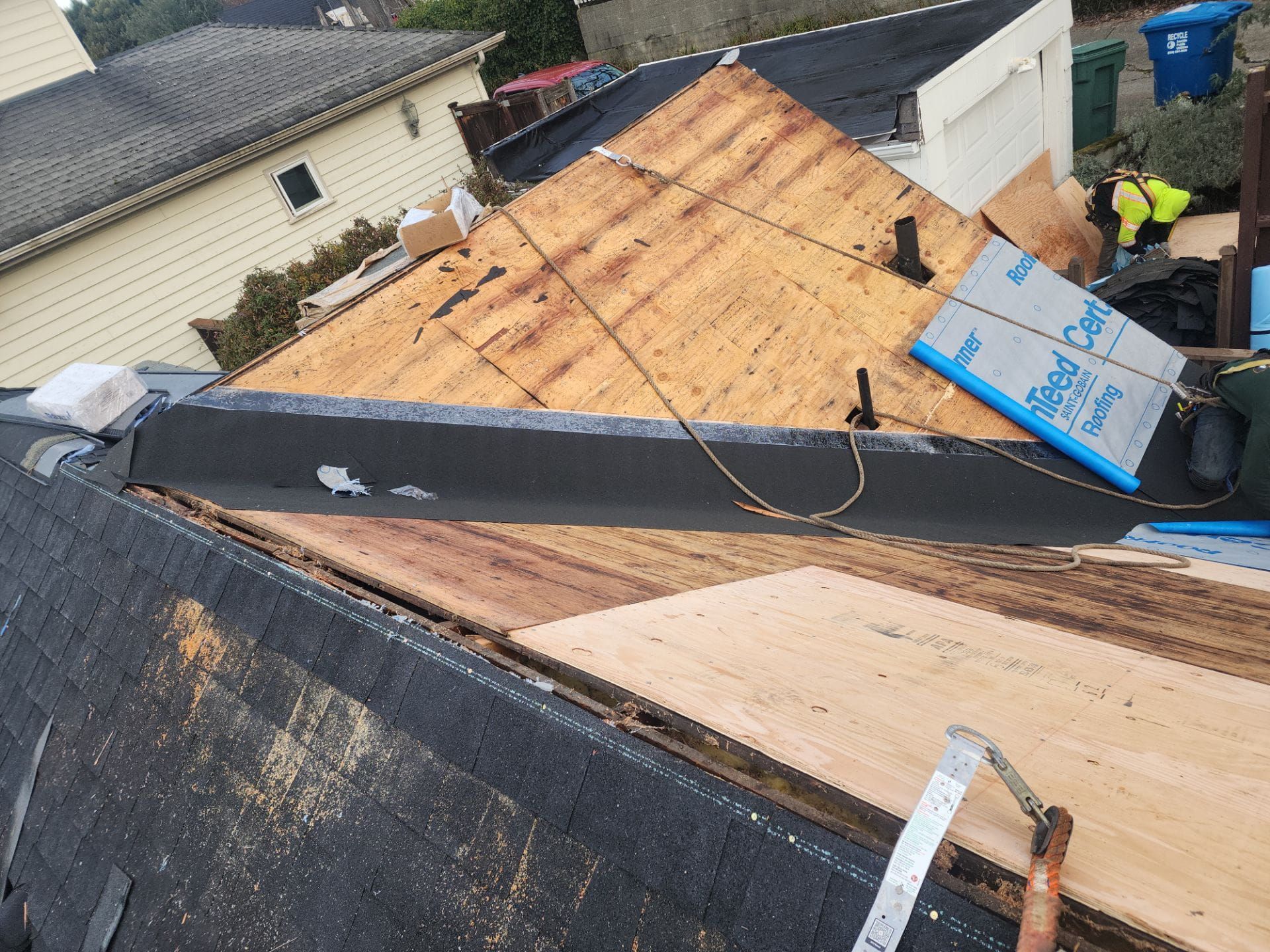
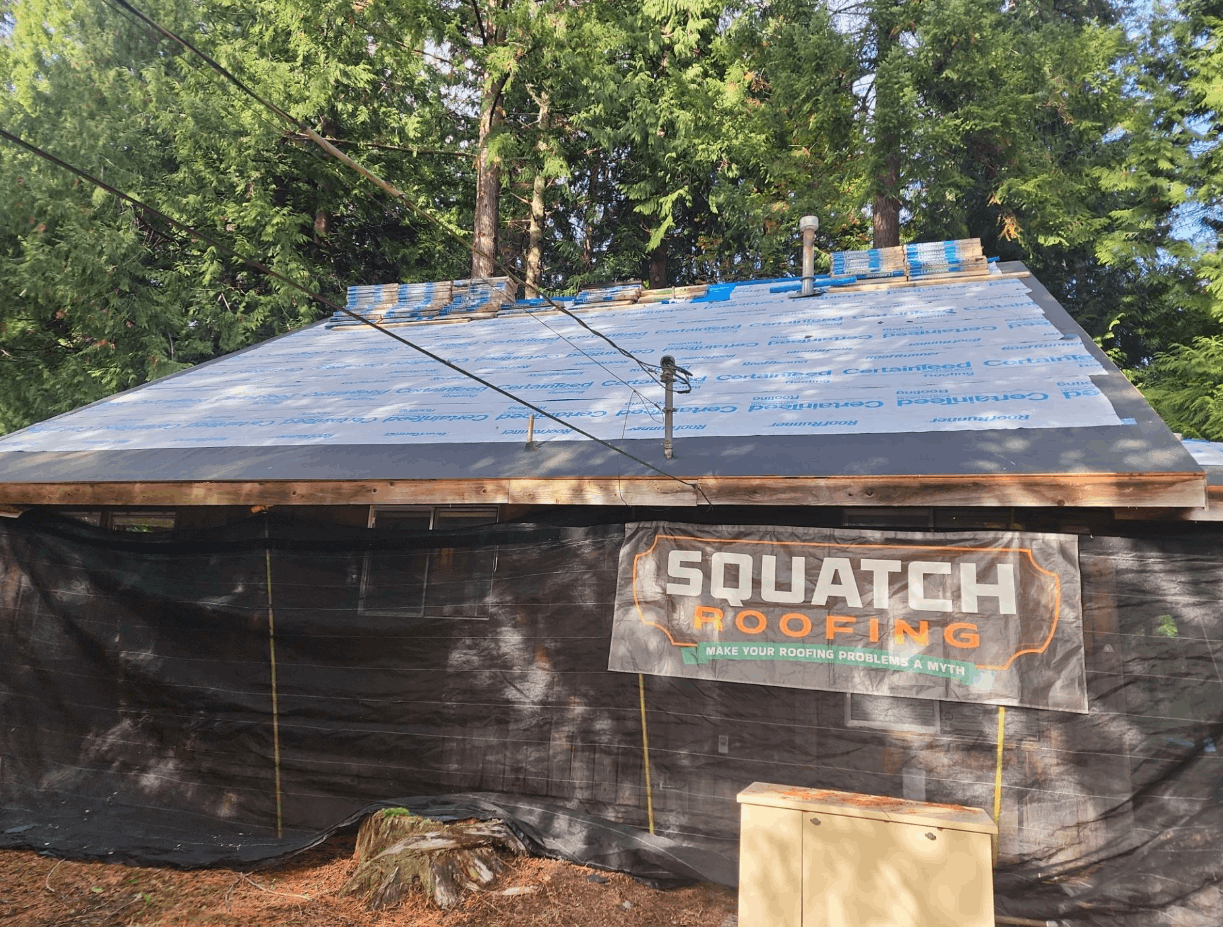
Cold Weather Roof Inspections: Protect Your Home Before Problems Start
Cold weather is tough on your roof — and most homeowners don’t notice the damage until it’s too late.
Freezing temperatures, snow, and strong winds can quietly turn small issues into expensive repairs.
That’s why scheduling a professional roof inspection during cold weather isn’t just smart — it’s essential. A trained eye can spot problems that worsen every time the temperature drops below freezing.
At
Squatch Roofing, our inspections are designed to catch those issues early, protect your home, and give you peace of mind all winter long.
Why Cold Weather Roof Inspections Matter
Your roof takes more punishment in winter than in any other season.
Even a small gap or loose shingle can let water in, which then freezes, expands, and causes further damage. Over time, this cycle can lead to leaks, mold, or even structural problems.
A professional inspection helps identify:
- Loose or missing shingles from wind or freeze-thaw cycles
- Ice dams forming along eaves and gutters
- Moisture buildup in attics or insulation
- Hidden leaks around chimneys, skylights, and vents
- Early signs of wood rot or decking damage
Catching these issues early saves you money and stress later.
7 Steps Homeowners Can Take to Check Their Roof in Cold Weather
Before calling in a pro, there’s a lot you can safely check yourself.
Here’s a quick cold-weather roof inspection checklist you can do from the ground or inside your attic:
1. Check for attic frost
On cold mornings, peek into your attic. If you see frost, ice, or damp rafters, your ventilation might be off — and that trapped moisture can lead to mold and leaks.
2. Watch for indoor moisture spots
Brown ceiling stains, bubbling paint, or musty odors are signs that water is getting in somewhere.
3. Keep gutters and downspouts clear
Frozen gutters cause ice dams — one of the top culprits behind winter leaks. Clear out debris and make sure water can flow freely.
4. Inspect for lifted or missing shingles
After a windy day, look for dark patches or uneven lines on your roof from the ground. If something looks off, take a photo and text it to us — we’ll review it for free.
5. Clear roof valleys
Snow and debris tend to pile up in roof valleys. When it melts and refreezes, it forces water under shingles. Keeping valleys clear helps prevent leaks.
6. Check your insulation
Uneven snow melt is a dead giveaway that your attic insulation isn’t doing its job — which leads to ice dams and higher heating bills.
7. Trim overhanging branches
Snow- or ice-covered limbs can snap and rip shingles or gutters off. Trim them back before they cause damage.
What to Expect from a Professional Roof Inspection
A
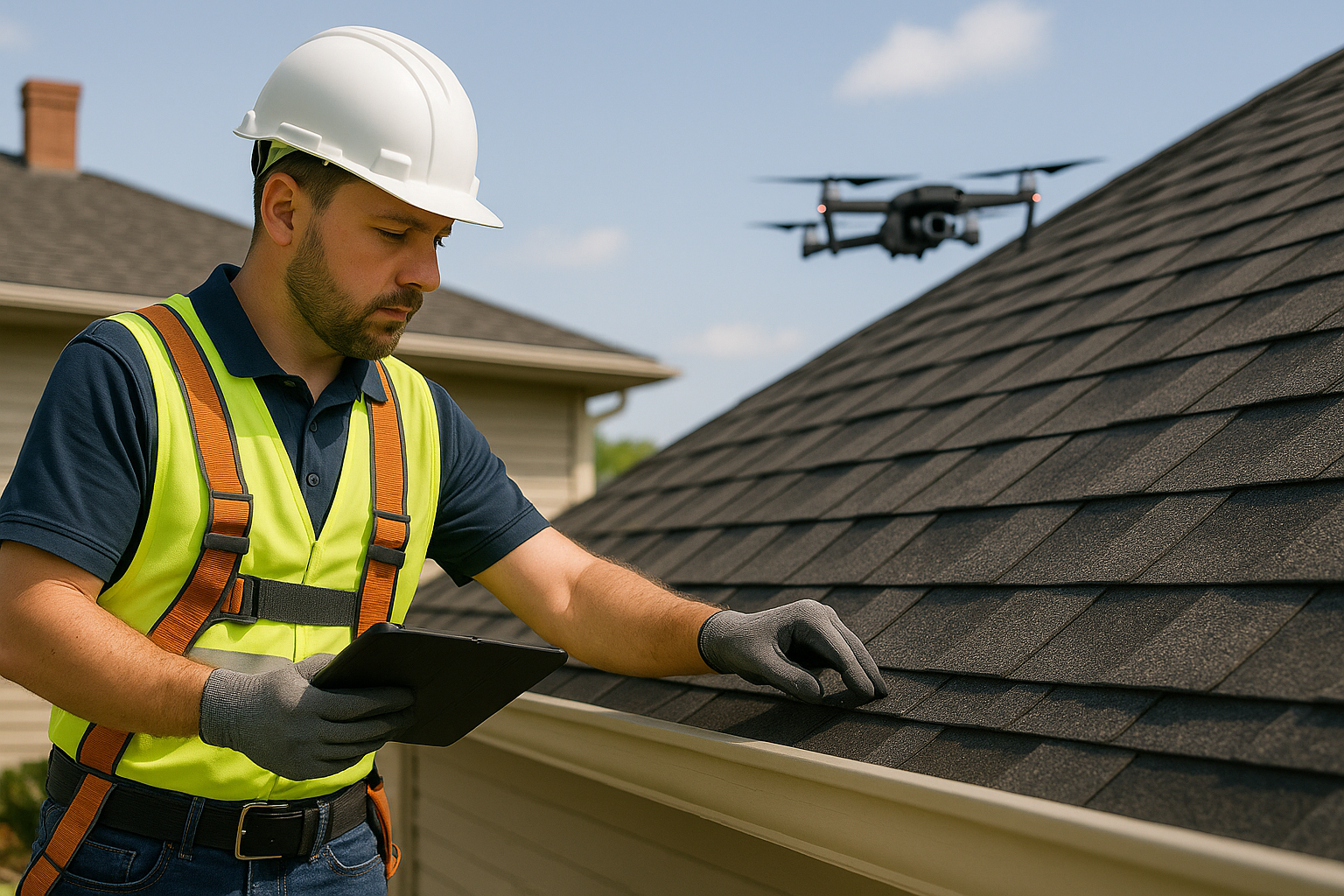
Squatch Roofing 21 Point Roof Inspection goes beyond a simple visual check. We inspect all major components of your roofing system to make sure it’s performing under pressure.
Our professional inspection includes:
- Attic and ventilation review for moisture and frost buildup
- Full shingle and flashing evaluation
- Gutter and drainage system inspection
- Roof valley and ridge integrity check
- Hazard review for nearby trees and debris
Afterward, we’ll share a straightforward summary of your roof’s condition — what looks good, what needs attention, and what can wait. No upselling, no fluff.
When to Schedule a Roof Inspection
- The best time to schedule a cold weather roof inspection is
before major snow or freeze events, but if you notice any of the following, it’s not too late:
Keep Your Roof Strong — and Your Home Dry
Your roof protects everything underneath it. A simple inspection — whether it’s your own or a professional one — is the best way to make sure it stays that way all winter long.
If you’ve got a neighbor dealing with leaks or ice dams, share this page — you might save them from a soaked ceiling.